
Change sponsor here; the complaint points at the seal fit.
CMP-341 linked · tolerance review requested
Product Lifecycle Management
The trace from requirement to resultshouldn’t have gaps.
Product specifications, design controls, risk, and FMEA on one record, so every requirement ends in a verification you can point to.
One controlled product record across regulated operations
- Medical Devices
- Pharmaceuticals
- Automotive
- Aerospace
A design isn't controlled until the trace is unbroken.
One record holds requirements, tests and results, so a change shows every test it touches.
- Design traceability
The trace breaks between tools
Broken requirement-to-result chain, split between tools.Input linked to result. Requirements, results, and verification stay one chain.
How they handled it · 3:22Harmonic Bionics - Specification management
Specs lock before the supplier can make them
Locked before capability is verified.Capability checked before lock. Supplier capability verified before the gate, on the record.
How they handled it · 3:06Applechem - Verification & validation
Verification you can't point to
Unclosed requirement with no linked result.Result linked, requirement closed. A requirement cannot close without its linked result.
How they handled it · 5:34Jarod Markley - FMEA & control plan
Every programme rebuilds its FMEA
Rebuilt FMEA on every programme, known failure modes rediscovered.Failure modes carried forward. Catalogued modes and controls flow to the next programme.
How they handled it · 2:38Harmonic Bionics
Five disciplines, one product record.
A requirement that starts as a design input ends in a verification you can point to, without leaving the record.
Product Specifications
The definition is never in doubt.
Specification records for raw materials, finished goods, assemblies, and parts, carried with version history and an approval workflow.
- Specs for materials, parts, and finished goods
- Version history on every revision
- Approval workflow on the record
- Characteristics, tolerances, and methods
ISO 13485IATF 16949AS 9100
Product Risk Management
Risk lives on the product record.
A risk register and assessment for the product itself: hazards, controls, and verification tracked through the product lifecycle.
- Governed product risk register
- Hazards traced to their controls
- Controls verified on the record
- Reviewed through the lifecycle
ISO 14971ISO 13485
Design Controls & Traceability
Requirement to result, no gaps.
Design input, output, verification, and validation records with full traceability from requirement to test result, per 21 CFR 820.
- Design inputs captured as requirements
- Outputs linked to the inputs they satisfy
- Verification and validation close the chain
- The DHF assembles as you work
21 CFR 820ISO 13485IEC 62304
Inspection & Process Parameters
Inspection tied to the definition.
Inspection plans, process parameters, sampling rules, and characteristic specifications tied to the product definition.
- Inspection plans on the product record
- Process parameters with limits
- Sampling rules by characteristic
- Characteristic-level specifications
IATF 16949AS 9100
FMEA & Control Plan Definition
The riskiest mode is the most controlled.
Design FMEA and process FMEA, plus control-plan definition at the product or process level.
- Design and process FMEA
- Severity, occurrence, detection scored
- RPN feeds the control plan
- High-risk modes escalate to review
IATF 16949ISO 14971
The controls a product record runs on.
Versioned specifications
Every specification revision is retained with its approval, so the effective definition is never in doubt.
Requirement-to-result trace
Design inputs link forward to outputs, verification, and validation, with no gap in the chain.
Risk through the lifecycle
Hazards, controls, and verification are tracked on the product record, not in a one-time document.
FMEA drives the control plan
RPN from design and process FMEA feeds the control plan and escalates the highest-risk modes to review.
Characteristic-level specs
Sampling rules and characteristic specifications tie inspection back to the product definition.
Change orders on the record
Engineering change orders carry the specifications, FMEAs, and control plans they affect.
From design input to a released, traceable product.
Follow the work through the lifecycle.
Works with the systems you already run.
Connect the product record to the tools already holding your parts, drawings, and process data.
- Solidworks
- AutoCAD
- SAP
- Oracle NetSuite
- Epicor Kinetic
- Jira
- SharePoint


For the people who own the product definition.
From design input to release, every role works from the same controlled record.

Design Engineer
OwnsDesign inputVerification
- Author design documents, run design reviews
- Complete FMEAs and risk assessments
- Close design verification and validation

Engineering Manager
OwnsReviewRelease
- Approve ECOs, chair design reviews
- Review FMEAs, allocate engineering resource
- Report engineering metrics to management review
What engineering teams say when the trace holds.
Short, candid accounts of design control, traceability, risk, and change from the engineers who own the record.
 Harmonic BionicsMichael Hogan, Mechanical EngineerThe document of record for engineering outputs
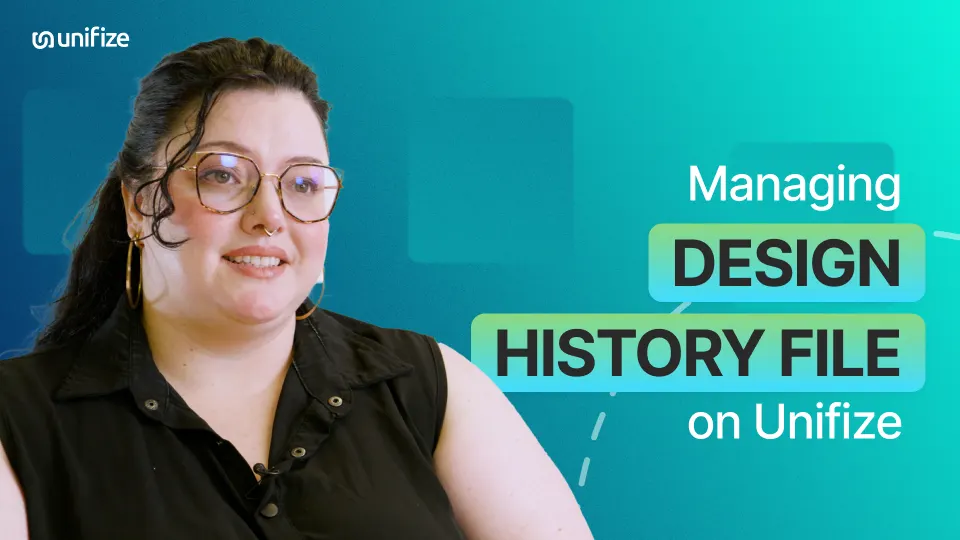 Harmonic BionicsClarissa ArcherThe DHF linked by phase, ready for design transfer
 Biovation LabsJesse Kolstad, Director of QualityIngredient specs to formula to finished-product specs
 Harmonic BionicsDenis MachokaThe latest DHF and DMR file, with its full history
 Mikala HukkaNutritional SupplementsOne change on the parent document updates the rest
 ApplechemWilson LinIdeation to pre-commercialization, about 30% faster
One controlled product record, whatever you are audited against.
Control the product record once, then prove it against whatever governs your operation.
- ISOISO · Global
ISO 13485
QMS for medical devices.
- ISOISO · Global
ISO 14971
Risk management through the medical-device lifecycle.
- FDAFDA · US
21 CFR 820
Quality System Regulation, including design controls.
- IATFIATF · Global
IATF 16949
QMS for automotive production.
- IAQGIAQG · Global
AS 9100
QMS for aviation, space, and defense.
- IECIEC · Global
IEC 62304
Lifecycle processes for medical-device software.
Validated across
- Medical Devices
- Pharmaceuticals
- Automotive
- Aerospace
The questions engineering and quality ask first.
Anything else, bring it to the walkthrough.
Five modules on one product record: Product Specifications, Product Risk Management, Design Controls & Traceability, Inspection & Process Parameters, and FMEA & Control Plan Definition.

Release the design. Keep the trace.
Bring the requirement you can't trace to a test and watch it walk from design input to a released, verifiable record in a 30-minute walkthrough.